
Structure instead of page chaos
Content is modelled to stay maintainable and reusable over time.
Easier day-to-day editing
Teams can update content without needing developers for every small change.
Ready for multiple markets
Languages, regions and content variants are reflected cleanly in the CMS structure.
Flexible for modern frontends
The CMS can connect to fast frontends, landing pages and digital products.
A headless CMS becomes valuable when content is no longer managed only page by page, but needs to be structured, multilingual and reusable across different digital channels. Modern CMS systems such as Strapi, headless WordPress and more help businesses connect editorial workflows, performance and technical scalability.
Professional CMS Web Development does not start with choosing a tool. It starts with a clear content structure. We support businesses with CMS strategy, platform selection, content modelling, headless CMS development, migration, integration and long-term operations.
Many CMS projects start with the question of which tool to use. But the long-term success usually depends on how content, components, languages, roles and workflows are structured. This is what makes a headless CMS maintainable, performant and scalable over time.
The cost of CMS web development varies depending on the functionality, scalability, and integrations required.
Typical Pricing for CMS Solutions:
Additional costs may include hosting, ongoing maintenance, and security updates.
A successful CMS Web Development project does not start with tool selection alone. The important question is how content, components, languages, roles, workflows and frontend delivery are structured. We plan CMS projects so your business CMS system remains maintainable, editor-friendly and technically scalable over time.
As an experienced CMS web development agency, we create custom CMS solutions with Strapi, WordPress & Contentful for businesses of all sizes.
Why Work with prokodo?
Whether it's a headless CMS with Strapi or Contentful or a powerful WordPress website, modern CMS systems empower businesses with efficient content management, scalability, and optimal performance across multiple digital channels.
With headless technologies like Strapi or Contentful, you can deliver content seamlessly via APIs, making it easy to integrate with web apps, mobile apps, or digital platforms. At the same time, WordPress remains a reliable solution for businesses looking for a user-friendly CMS with built-in functionality.
We guide you through every step of CMS web development – from planning to implementation and optimization. Our experts help you choose the best CMS system software to ensure long-term business success.
Your Benefits with a Professional CMS Solution:
Let’s build your CMS project together – contact us for a free consultation!

When pages, components, translations or campaign content become hard to maintain without a clear content model.
Whether it's a headless CMS with Strapi or Contentful or a powerful WordPress website, modern CMS systems empower businesses with efficient content management, scalability, and optimal performance across multiple digital channels.
With headless technologies like Strapi or Contentful, you can deliver content seamlessly via APIs, making it easy to integrate with web apps, mobile apps, or digital platforms. At the same time, WordPress remains a reliable solution for businesses looking for a user-friendly CMS with built-in functionality.
We guide you through every step of CMS web development – from planning to implementation and optimization. Our experts help you choose the best CMS system software to ensure long-term business success.
Your Benefits with a Professional CMS Solution:
Let’s build your CMS project together – contact us for a free consultation!
When pages, components, translations or campaign content become hard to maintain without a clear content model.
When marketing and editorial teams need to edit, approve and publish content faster without blocking development resources for every change.
We clarify which CMS system fits your content, editorial workflows, technical requirements and growth goals.
When content is tied directly to individual pages, duplicate text, inconsistent components and hard-to-maintain structures appear quickly.
When marketing or content teams need developers for every update, campaigns, landing pages and content changes become unnecessarily slow.
Without a clear concept for languages, regions, translations and local variants, a CMS quickly becomes difficult to manage for international websites.
When content models, frontend components, metadata and internal linking are not planned together, performance suffers and search engines understand the content less clearly.
We structure page types, components, reusable content and editorial logic before the CMS is implemented technically.
Depending on the requirements, we evaluate Strapi, headless WordPress, Contentful or other CMS systems based on editorial workflows, operations, scalability and cost.
Content, components and page types are organised in a way that stays maintainable over time.
Content teams can edit, update and publish content with less dependency on development resources.
Multilingual content, new pages, campaigns and additional digital channels become easier to extend.
Structured content, clean page logic and modern frontend architecture support crawlability, performance and technical SEO.
We start with your content, page types, editorial workflows, languages, existing systems and technical requirements. Together, we clarify whether a headless CMS such as Strapi, headless WordPress or another CMS system fits your project.
Before the CMS is implemented technically, we plan content types, components, page types and reusable modules. This prevents page chaos and creates a CMS structure that supports both editorial teams and development over time.
Scalable CMS systems need languages, regions, approvals, roles and preview workflows to be considered early. Especially for international websites, this phase prevents unnecessary complexity later.
We set up the CMS, build the required content structures and connect it with modern frontends such as Next.js. We focus on API structure, performance, SEO readiness and clean integration with existing systems.
Existing content, media and metadata are moved into the new structure. At the same time, we review content quality, technical SEO basics, internal linking, performance and editorial usability.
After go-live, we support editorial teams, development and operations. This includes training, roles, security updates, hosting, monitoring and further development of your CMS system.
Headless CMS projects become especially demanding when multiple portals, editorial workflows, integrations and modern frontends need to work together. Our CMS projects show how Headless WordPress, Contentful, Next.js and React can be used to centralise content management, scale digital platforms and improve operational workflows.


We support your CMS strategy, platform selection, content modelling, headless CMS development and migration. Ideal if your content needs to become more structured, multilingual or connected to modern frontends such as Next.js.
Many CMS projects start with the question of which tool to use. But the long-term success usually depends on how content, components, languages, roles and workflows are structured. This is what makes a headless CMS maintainable, performant and scalable over time.
When content is tied directly to individual pages, duplicate text, inconsistent components and hard-to-maintain structures appear quickly.
When marketing or content teams need developers for every update, campaigns, landing pages and content changes become unnecessarily slow.
Without a clear concept for languages, regions, translations and local variants, a CMS quickly becomes difficult to manage for international websites.
When content models, frontend components, metadata and internal linking are not planned together, performance suffers and search engines understand the content less clearly.
We structure page types, components, reusable content and editorial logic before the CMS is implemented technically.
Depending on the requirements, we evaluate Strapi, headless WordPress, Contentful or other CMS systems based on editorial workflows, operations, scalability and cost.
Content, components and page types are organised in a way that stays maintainable over time.
Content teams can edit, update and publish content with less dependency on development resources.
Multilingual content, new pages, campaigns and additional digital channels become easier to extend.
Structured content, clean page logic and modern frontend architecture support crawlability, performance and technical SEO.
A successful CMS Web Development project does not start with tool selection alone. The important question is how content, components, languages, roles, workflows and frontend delivery are structured. We plan CMS projects so your business CMS system remains maintainable, editor-friendly and technically scalable over time.
We start with your content, page types, editorial workflows, languages, existing systems and technical requirements. Together, we clarify whether a headless CMS such as Strapi, headless WordPress or another CMS system fits your project.
Before the CMS is implemented technically, we plan content types, components, page types and reusable modules. This prevents page chaos and creates a CMS structure that supports both editorial teams and development over time.
Scalable CMS systems need languages, regions, approvals, roles and preview workflows to be considered early. Especially for international websites, this phase prevents unnecessary complexity later.
We set up the CMS, build the required content structures and connect it with modern frontends such as Next.js. We focus on API structure, performance, SEO readiness and clean integration with existing systems.
Existing content, media and metadata are moved into the new structure. At the same time, we review content quality, technical SEO basics, internal linking, performance and editorial usability.
After go-live, we support editorial teams, development and operations. This includes training, roles, security updates, hosting, monitoring and further development of your CMS system.
Headless CMS projects become especially demanding when multiple portals, editorial workflows, integrations and modern frontends need to work together. Our CMS projects show how Headless WordPress, Contentful, Next.js and React can be used to centralise content management, scale digital platforms and improve operational workflows.


Depending on the requirements, we evaluate Strapi, headless WordPress, Contentful or other CMS systems based on editorial workflows, operations, scalability and cost.
Languages, approvals, roles, preview, local content and multi-site requirements are built into the CMS structure from the beginning.
Content is modelled to work cleanly with Next.js, landing pages, SEO structure, performance requirements and technical integrations.
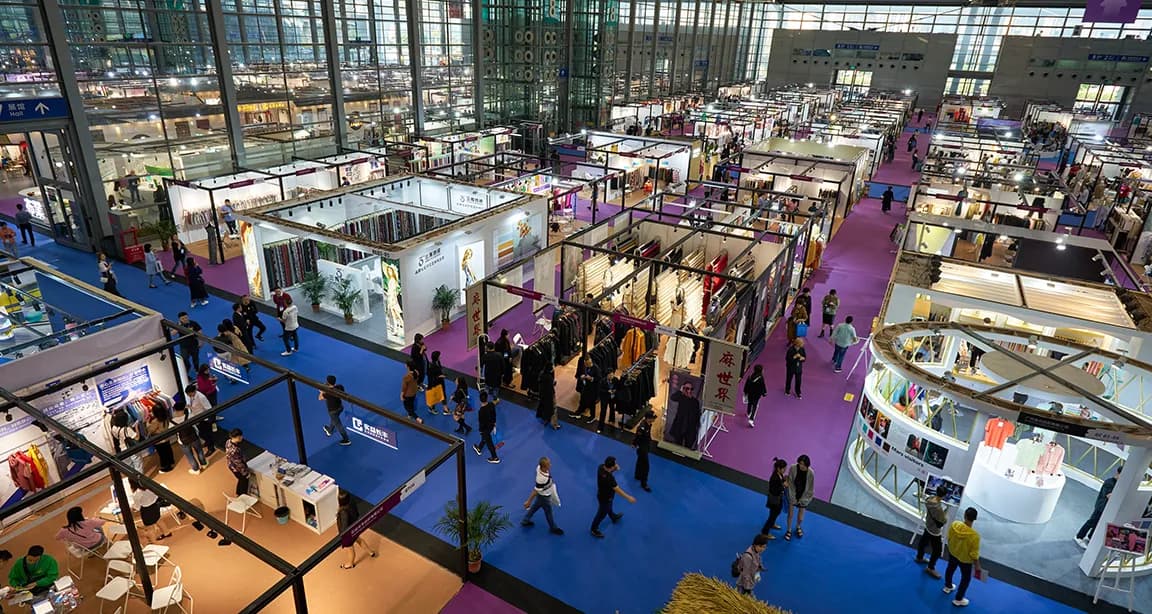
For an international trade fair organiser, a modern headless CMS architecture was implemented to manage multiple exhibitor portals more centrally, speed up editorial workflows and connect existing systems more reliably.
For a German top-10 insurer and a nationwide workshop chain, a future-proof online portal for automotive services was built. The focus was on appointment booking, service management, location-wide coordination and a flexible headless CMS.
Languages, approvals, roles, preview, local content and multi-site requirements are built into the CMS structure from the beginning.
Content is modelled to work cleanly with Next.js, landing pages, SEO structure, performance requirements and technical integrations.
For an international trade fair organiser, a modern headless CMS architecture was implemented to manage multiple exhibitor portals more centrally, speed up editorial workflows and connect existing systems more reliably.
For a German top-10 insurer and a nationwide workshop chain, a future-proof online portal for automotive services was built. The focus was on appointment booking, service management, location-wide coordination and a flexible headless CMS.