

Let's Drive Your Business Forward – With Custom Software Solutions
Want to streamline operations, future-proof your IT, or kick off a digital project? At prokodo, we support you from the first idea to a successful launch – hands-on, transparent, and with solutions that truly fit your business.
Let's Drive Your Business Forward – With Custom Software Solutions
Want to streamline operations, future-proof your IT, or kick off a digital project? At prokodo, we support you from the first idea to a successful launch – hands-on, transparent, and with solutions that truly fit your business.
Let's Drive Your Business Forward – With Custom Software Solutions
Want to streamline operations, future-proof your IT, or kick off a digital project? At prokodo, we support you from the first idea to a successful launch – hands-on, transparent, and with solutions that truly fit your business.
Let's Drive Your Business Forward – With Custom Software Solutions
Want to streamline operations, future-proof your IT, or kick off a digital project? At prokodo, we support you from the first idea to a successful launch – hands-on, transparent, and with solutions that truly fit your business.
Let's Drive Your Business Forward – With Custom Software Solutions
Want to streamline operations, future-proof your IT, or kick off a digital project? At prokodo, we support you from the first idea to a successful launch – hands-on, transparent, and with solutions that truly fit your business.
Let's Drive Your Business Forward – With Custom Software Solutions
Want to streamline operations, future-proof your IT, or kick off a digital project? At prokodo, we support you from the first idea to a successful launch – hands-on, transparent, and with solutions that truly fit your business.
Your Partner for IT Consulting and Digital Transformation – Empowering Your IT to Drive Business Growth
The Challenge: Outdated CMS & Fragmented Digital Processes
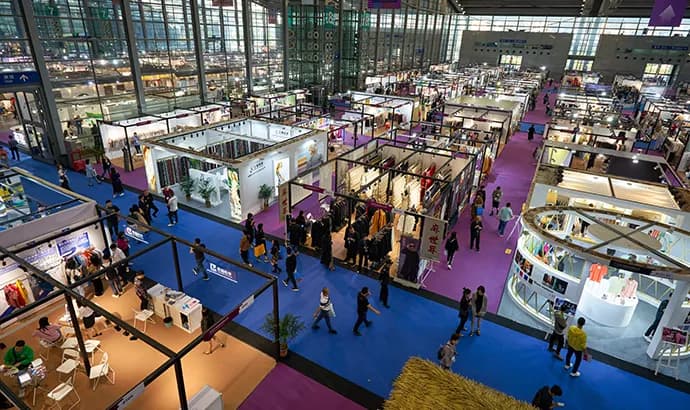
A leading organizer of international trade fairs based in Germany faced significant challenges with outdated, manually-intensive content management systems and fragmented digital processes. Their numerous exhibitor portals lacked scalability, were challenging to maintain, and offered a suboptimal user experience. This created operational inefficiencies and negatively impacted customer satisfaction.
Results: Improved Scalability, User Experience & Efficiency
Successful Digital Transformation with Headless WordPress
Modernizing Exhibitor Portals and Streamlining Processes with Next.js & WordPress
The Challenge: Outdated CMS & Fragmented Digital Processes
A leading organizer of international trade fairs based in Germany faced significant challenges with outdated, manually-intensive content management systems and fragmented digital processes. Their numerous exhibitor portals lacked scalability, were challenging to maintain, and offered a suboptimal user experience. This created operational inefficiencies and negatively impacted customer satisfaction.
Results: Improved Scalability, User Experience & Efficiency
The Challenge: Outdated CMS & Fragmented Digital Processes
A leading organizer of international trade fairs based in Germany faced significant challenges with outdated, manually-intensive content management systems and fragmented digital processes. Their numerous exhibitor portals lacked scalability, were challenging to maintain, and offered a suboptimal user experience. This created operational inefficiencies and negatively impacted customer satisfaction.
Enhanced Performance
Streamlined User Experience
The headless CMS project significantly enhanced the client's digital presence:
Improved Performance: Next.js provided faster load times and seamless navigation, essential for optimal visitor engagement.
Enhanced User Experience: Modernized UX/UI design significantly boosted user satisfaction and interaction rates.
Seamless CRM Integration: Robust connectivity with Microsoft Dynamics streamlined exhibition booking processes and improved data consistency.
Why Choose prokodo for Your Headless CMS Project?
For over 15 years, prokodo has specialized in headless CMS solutions, successfully delivering numerous digital transformation projects. Our dedicated team supports every phase—from strategic consulting and UX design to full technical implementation and training.
Our Expertise:
Customized CMS Solutions: Tailored headless CMS implementation for diverse business needs.
Frontend Development: Advanced Next.js development for unmatched performance and SEO.
Integration & Connectivity: Smooth integrations with CRM and e-commerce platforms.
Comprehensive Support: Continuous support and training to ensure project success.
Our commitment: Delivering scalable and innovative digital solutions that empower your business growth.
Objective: Unified Digital Platform with Headless CMS
Consulting
Planning
Design
CMS Implementation
Frontend Development
Go-Live
The primary objective was to establish a unified, scalable, and future-proof digital platform to manage multiple exhibitor portals efficiently. We provided strategic consulting, designed a comprehensive UX/UI concept in Figma, and implemented a robust headless WordPress CMS combined with a Next.js frontend for optimal performance.
Key implementation highlights included:
Multi-Site Management: Centralized content management for 14 exhibitor portals using headless WordPress.
Next.js Frontend: Implementing a fast, static site generation strategy for improved SEO and user experience.
Seamless Integration: Coordinating with another IT agency to integrate a .NET backend connecting the frontend to Microsoft Dynamics CRM.
Advanced Exhibition Booking: An extensive, dynamic form integrated with Microsoft Dynamics CRM and an online shop for additional stand bookings and services.
Enhanced Performance
Streamlined User Experience
The headless CMS project significantly enhanced the client's digital presence:
Improved Performance: Next.js provided faster load times and seamless navigation, essential for optimal visitor engagement.
Enhanced User Experience: Modernized UX/UI design significantly boosted user satisfaction and interaction rates.
Seamless CRM Integration: Robust connectivity with Microsoft Dynamics streamlined exhibition booking processes and improved data consistency.
Why Choose prokodo for Your Headless CMS Project?
For over 15 years, prokodo has specialized in headless CMS solutions, successfully delivering numerous digital transformation projects. Our dedicated team supports every phase—from strategic consulting and UX design to full technical implementation and training.
Our Expertise:
Customized CMS Solutions: Tailored headless CMS implementation for diverse business needs.
Frontend Development: Advanced Next.js development for unmatched performance and SEO.
Integration & Connectivity: Smooth integrations with CRM and e-commerce platforms.
Comprehensive Support: Continuous support and training to ensure project success.
Our commitment: Delivering scalable and innovative digital solutions that empower your business growth.
Objective: Unified Digital Platform with Headless CMS
Consulting
Planning
Design
CMS Implementation
Frontend Development
Go-Live
The primary objective was to establish a unified, scalable, and future-proof digital platform to manage multiple exhibitor portals efficiently. We provided strategic consulting, designed a comprehensive UX/UI concept in Figma, and implemented a robust headless WordPress CMS combined with a Next.js frontend for optimal performance.
Key implementation highlights included:
Multi-Site Management: Centralized content management for 14 exhibitor portals using headless WordPress.
Next.js Frontend: Implementing a fast, static site generation strategy for improved SEO and user experience.
Seamless Integration: Coordinating with another IT agency to integrate a .NET backend connecting the frontend to Microsoft Dynamics CRM.
Advanced Exhibition Booking: An extensive, dynamic form integrated with Microsoft Dynamics CRM and an online shop for additional stand bookings and services.
The primary objective was to establish a unified, scalable, and future-proof digital platform to manage multiple exhibitor portals efficiently. We provided strategic consulting, designed a comprehensive UX/UI concept in Figma, and implemented a robust headless WordPress CMS combined with a Next.js frontend for optimal performance.
Key implementation highlights included:
Multi-Site Management: Centralized content management for 14 exhibitor portals using headless WordPress.
Next.js Frontend: Implementing a fast, static site generation strategy for improved SEO and user experience.
Seamless Integration: Coordinating with another IT agency to integrate a .NET backend connecting the frontend to Microsoft Dynamics CRM.
Advanced Exhibition Booking: An extensive, dynamic form integrated with Microsoft Dynamics CRM and an online shop for additional stand bookings and services.
The primary objective was to establish a unified, scalable, and future-proof digital platform to manage multiple exhibitor portals efficiently. We provided strategic consulting, designed a comprehensive UX/UI concept in Figma, and implemented a robust headless WordPress CMS combined with a Next.js frontend for optimal performance.
Key implementation highlights included:
Multi-Site Management: Centralized content management for 14 exhibitor portals using headless WordPress.
Next.js Frontend: Implementing a fast, static site generation strategy for improved SEO and user experience.
Seamless Integration: Coordinating with another IT agency to integrate a .NET backend connecting the frontend to Microsoft Dynamics CRM.
Advanced Exhibition Booking: An extensive, dynamic form integrated with Microsoft Dynamics CRM and an online shop for additional stand bookings and services.
FAQs About Headless WordPress CMS
Headless CMS projects often come with many questions about technology choices, implementation, and benefits. Here are answers to common questions regarding WordPress as a headless CMS, hosting best practices, and integration strategies.
FAQs About Headless WordPress CMS
Headless CMS projects often come with many questions about technology choices, implementation, and benefits. Here are answers to common questions regarding WordPress as a headless CMS, hosting best practices, and integration strategies.
Services we used
Services we used
For over 15 years, prokodo has specialized in headless CMS solutions, successfully delivering numerous digital transformation projects. Our dedicated team supports every phase—from strategic consulting and UX design to full technical implementation and training.
Our Expertise:
Customized CMS Solutions: Tailored headless CMS implementation for diverse business needs.
Frontend Development: Advanced Next.js development for unmatched performance and SEO.
Integration & Connectivity: Smooth integrations with CRM and e-commerce platforms.
Comprehensive Support: Continuous support and training to ensure project success.
Our commitment: Delivering scalable and innovative digital solutions that empower your business growth.
For over 15 years, prokodo has specialized in headless CMS solutions, successfully delivering numerous digital transformation projects. Our dedicated team supports every phase—from strategic consulting and UX design to full technical implementation and training.
Our Expertise:
Customized CMS Solutions: Tailored headless CMS implementation for diverse business needs.
Frontend Development: Advanced Next.js development for unmatched performance and SEO.
Integration & Connectivity: Smooth integrations with CRM and e-commerce platforms.
Comprehensive Support: Continuous support and training to ensure project success.
Our commitment: Delivering scalable and innovative digital solutions that empower your business growth.
The primary objective was to establish a unified, scalable, and future-proof digital platform to manage multiple exhibitor portals efficiently. We provided strategic consulting, designed a comprehensive UX/UI concept in Figma, and implemented a robust headless WordPress CMS combined with a Next.js frontend for optimal performance.
Key implementation highlights included:
Multi-Site Management: Centralized content management for 14 exhibitor portals using headless WordPress.
Next.js Frontend: Implementing a fast, static site generation strategy for improved SEO and user experience.
Seamless Integration: Coordinating with another IT agency to integrate a .NET backend connecting the frontend to Microsoft Dynamics CRM.
Advanced Exhibition Booking: An extensive, dynamic form integrated with Microsoft Dynamics CRM and an online shop for additional stand bookings and services.
The primary objective was to establish a unified, scalable, and future-proof digital platform to manage multiple exhibitor portals efficiently. We provided strategic consulting, designed a comprehensive UX/UI concept in Figma, and implemented a robust headless WordPress CMS combined with a Next.js frontend for optimal performance.
Key implementation highlights included:
Multi-Site Management: Centralized content management for 14 exhibitor portals using headless WordPress.
Next.js Frontend: Implementing a fast, static site generation strategy for improved SEO and user experience.
Seamless Integration: Coordinating with another IT agency to integrate a .NET backend connecting the frontend to Microsoft Dynamics CRM.
Advanced Exhibition Booking: An extensive, dynamic form integrated with Microsoft Dynamics CRM and an online shop for additional stand bookings and services.
For frontend & routing we rely on Next.js - our focus: render strategy, caching, CWV. More about this at Next.js Agency.
Our team successfully implemented the following technologies:
For frontend & routing we rely on Next.js - our focus: render strategy, caching, CWV. More about this at Next.js Agency.
Our team successfully implemented the following technologies:
Conclusion: Future-Proof Websites with Headless WordPress & Next.js
This case study highlights the value of transitioning to a headless CMS architecture. By adopting a headless WordPress architecture combined with Next.js for the frontend, the client realized substantial scalability, simplified content management workflows, and dramatically enhanced user satisfaction. Businesses seeking modern, efficient, and future-proof digital solutions greatly benefit from this approach.
Metric
Before
After
Conclusion: Future-Proof Websites with Headless WordPress & Next.js
This case study highlights the value of transitioning to a headless CMS architecture. By adopting a headless WordPress architecture combined with Next.js for the frontend, the client realized substantial scalability, simplified content management workflows, and dramatically enhanced user satisfaction. Businesses seeking modern, efficient, and future-proof digital solutions greatly benefit from this approach.
Metric
Before
After
Performance
Avg. load times 4–6 seconds
Avg. load times reduced to <1 second (80% improvement)
Content Management
Fragmented, manual updates
Unified CMS: content updates 60% faster
Scalability
Limited growth capacity, costly expansions
Ability to scale portals effortlessly (cost reduction ~40%)
Integration Capability
Limited and error-prone CRM connectivity
Seamless Dynamics CRM integration; data errors reduced by ~90%
User Experience
High bounce rate
Bounce rate improved to ~30% (45% improvement)
Key Benefits at a Glance
Performance
Avg. load times 4–6 seconds
Avg. load times reduced to <1 second (80% improvement)
Content Management
Fragmented, manual updates
Unified CMS: content updates 60% faster
Scalability
Limited growth capacity, costly expansions
Ability to scale portals effortlessly (cost reduction ~40%)
Integration Capability
Limited and error-prone CRM connectivity
Seamless Dynamics CRM integration; data errors reduced by ~90%
What is WordPress as a Headless CMS, and how did it improve this specific project?
WordPress as a headless CMS refers to using WordPress strictly for backend content management, separated from the frontend, which is managed by modern frameworks like Next.js. In this project, adopting WordPress as a headless CMS significantly improved:
Performance: Faster load times through static site generation with Next.js.
Scalability: Centralized management for multiple portals efficiently.
Flexibility: Easier to maintain and adapt to future business needs.
User Experience: Enhanced frontend design capabilities beyond traditional WordPress themes.
Why did we choose Next.js as the frontend framework for our WordPress Headless CMS project?
We selected Next.js for headless CMS due to its proven benefits:
Improved Performance: Static site generation provides rapid load times and optimal SEO.
Enhanced SEO: Automatic optimization features and server-side rendering significantly boost search engine rankings.
Developer Efficiency: Simplified development with built-in tools for streamlined workflow.
Future-Proofing: Scalable, reliable, and capable of supporting growing content needs seamlessly.
What specific advantages did hosting Headless WordPress on Azure bring in this project?
Hosting the headless WordPress CMS on Azure Cloud provided substantial project advantages:
Scalable Infrastructure: Easily scaled resources to handle fluctuating traffic during large exhibitions.
High Availability: Ensured continuous uptime and minimized downtime risks.
Integration Flexibility: Seamlessly integrated with Microsoft Dynamics CRM, aligning with existing Microsoft technology investments.
How does a Headless WordPress CMS support complex integrations, such as CRM or online shops?
A Headless WordPress CMS excels in complex integrations by:
Providing a clear separation of backend content from the frontend interface, allowing for flexible, independent development.
Facilitating easier data exchange via APIs, such as GraphQL, for integration with complex systems like CRM (Microsoft Dynamics) or e-commerce solutions.
Enabling seamless and secure data synchronization between the website frontend and backend systems, enhancing real-time data accuracy.
What best practices were critical to the success of our Headless WordPress hosting strategy in this case study?
The critical best practices for headless WordPress hosting in this project included:
Choosing the Right Hosting Provider: Azure Cloud hosting offered robust scalability and security.
Implementing Static Site Generation (SSG): Leveraging Next.js SSG capabilities for faster, more reliable content delivery.
API Optimization: Using GraphQL to streamline data fetching, reduce overhead, and optimize frontend performance.
Security & Compliance: Ensuring robust data protection and compliance with stringent GDPR standards for sensitive exhibition data.
Continuous Integration and Delivery (CI/CD): Automated deployments for rapid, secure, and reliable updates.
What is WordPress as a Headless CMS, and how did it improve this specific project?
WordPress as a headless CMS refers to using WordPress strictly for backend content management, separated from the frontend, which is managed by modern frameworks like Next.js. In this project, adopting WordPress as a headless CMS significantly improved:
Performance: Faster load times through static site generation with Next.js.
Scalability: Centralized management for multiple portals efficiently.
Flexibility: Easier to maintain and adapt to future business needs.
User Experience: Enhanced frontend design capabilities beyond traditional WordPress themes.
Why did we choose Next.js as the frontend framework for our WordPress Headless CMS project?
We selected Next.js for headless CMS due to its proven benefits:
Improved Performance: Static site generation provides rapid load times and optimal SEO.
Enhanced SEO: Automatic optimization features and server-side rendering significantly boost search engine rankings.
Developer Efficiency: Simplified development with built-in tools for streamlined workflow.
Future-Proofing: Scalable, reliable, and capable of supporting growing content needs seamlessly.
What specific advantages did hosting Headless WordPress on Azure bring in this project?
Hosting the headless WordPress CMS on Azure Cloud provided substantial project advantages:
Scalable Infrastructure: Easily scaled resources to handle fluctuating traffic during large exhibitions.
High Availability: Ensured continuous uptime and minimized downtime risks.
Integration Flexibility: Seamlessly integrated with Microsoft Dynamics CRM, aligning with existing Microsoft technology investments.
How does a Headless WordPress CMS support complex integrations, such as CRM or online shops?
A Headless WordPress CMS excels in complex integrations by:
Providing a clear separation of backend content from the frontend interface, allowing for flexible, independent development.
Facilitating easier data exchange via APIs, such as GraphQL, for integration with complex systems like CRM (Microsoft Dynamics) or e-commerce solutions.
Enabling seamless and secure data synchronization between the website frontend and backend systems, enhancing real-time data accuracy.
What best practices were critical to the success of our Headless WordPress hosting strategy in this case study?
The critical best practices for headless WordPress hosting in this project included:
Choosing the Right Hosting Provider: Azure Cloud hosting offered robust scalability and security.
Implementing Static Site Generation (SSG): Leveraging Next.js SSG capabilities for faster, more reliable content delivery.
API Optimization: Using GraphQL to streamline data fetching, reduce overhead, and optimize frontend performance.
Security & Compliance: Ensuring robust data protection and compliance with stringent GDPR standards for sensitive exhibition data.
Continuous Integration and Delivery (CI/CD): Automated deployments for rapid, secure, and reliable updates.
WordPress as a headless CMS refers to using WordPress strictly for backend content management, separated from the frontend, which is managed by modern frameworks like Next.js. In this project, adopting WordPress as a headless CMS significantly improved:
Performance: Faster load times through static site generation with Next.js.
Scalability: Centralized management for multiple portals efficiently.
Flexibility: Easier to maintain and adapt to future business needs.
User Experience: Enhanced frontend design capabilities beyond traditional WordPress themes.
WordPress as a headless CMS refers to using WordPress strictly for backend content management, separated from the frontend, which is managed by modern frameworks like Next.js. In this project, adopting WordPress as a headless CMS significantly improved:
Performance: Faster load times through static site generation with Next.js.
Scalability: Centralized management for multiple portals efficiently.
Flexibility: Easier to maintain and adapt to future business needs.
User Experience: Enhanced frontend design capabilities beyond traditional WordPress themes.
We selected Next.js for headless CMS due to its proven benefits:
Improved Performance: Static site generation provides rapid load times and optimal SEO.
Enhanced SEO: Automatic optimization features and server-side rendering significantly boost search engine rankings.
Developer Efficiency: Simplified development with built-in tools for streamlined workflow.
Future-Proofing: Scalable, reliable, and capable of supporting growing content needs seamlessly.
We selected Next.js for headless CMS due to its proven benefits:
Improved Performance: Static site generation provides rapid load times and optimal SEO.
Enhanced SEO: Automatic optimization features and server-side rendering significantly boost search engine rankings.
Developer Efficiency: Simplified development with built-in tools for streamlined workflow.
Future-Proofing: Scalable, reliable, and capable of supporting growing content needs seamlessly.
Hosting the headless WordPress CMS on Azure Cloud provided substantial project advantages:
Scalable Infrastructure: Easily scaled resources to handle fluctuating traffic during large exhibitions.
High Availability: Ensured continuous uptime and minimized downtime risks.
Integration Flexibility: Seamlessly integrated with Microsoft Dynamics CRM, aligning with existing Microsoft technology investments.
A Headless WordPress CMS excels in complex integrations by:
Providing a clear separation of backend content from the frontend interface, allowing for flexible, independent development.
Facilitating easier data exchange via APIs, such as GraphQL, for integration with complex systems like CRM (Microsoft Dynamics) or e-commerce solutions.
Enabling seamless and secure data synchronization between the website frontend and backend systems, enhancing real-time data accuracy.
A Headless WordPress CMS excels in complex integrations by:
Providing a clear separation of backend content from the frontend interface, allowing for flexible, independent development.
Facilitating easier data exchange via APIs, such as GraphQL, for integration with complex systems like CRM (Microsoft Dynamics) or e-commerce solutions.
Enabling seamless and secure data synchronization between the website frontend and backend systems, enhancing real-time data accuracy.
The critical best practices for headless WordPress hosting in this project included:
Choosing the Right Hosting Provider: Azure Cloud hosting offered robust scalability and security.
Implementing Static Site Generation (SSG): Leveraging Next.js SSG capabilities for faster, more reliable content delivery.
API Optimization: Using GraphQL to streamline data fetching, reduce overhead, and optimize frontend performance.
Security & Compliance: Ensuring robust data protection and compliance with stringent GDPR standards for sensitive exhibition data.
Continuous Integration and Delivery (CI/CD): Automated deployments for rapid, secure, and reliable updates.
The critical best practices for headless WordPress hosting in this project included:
Choosing the Right Hosting Provider: Azure Cloud hosting offered robust scalability and security.
Implementing Static Site Generation (SSG): Leveraging Next.js SSG capabilities for faster, more reliable content delivery.
API Optimization: Using GraphQL to streamline data fetching, reduce overhead, and optimize frontend performance.
Security & Compliance: Ensuring robust data protection and compliance with stringent GDPR standards for sensitive exhibition data.
Continuous Integration and Delivery (CI/CD): Automated deployments for rapid, secure, and reliable updates.
WordPress as a headless CMS refers to using WordPress strictly for backend content management, separated from the frontend, which is managed by modern frameworks like Next.js. In this project, adopting WordPress as a headless CMS significantly improved:
Performance: Faster load times through static site generation with Next.js.
Scalability: Centralized management for multiple portals efficiently.
Flexibility: Easier to maintain and adapt to future business needs.
User Experience: Enhanced frontend design capabilities beyond traditional WordPress themes.
WordPress as a headless CMS refers to using WordPress strictly for backend content management, separated from the frontend, which is managed by modern frameworks like Next.js. In this project, adopting WordPress as a headless CMS significantly improved:
Performance: Faster load times through static site generation with Next.js.
Scalability: Centralized management for multiple portals efficiently.
Flexibility: Easier to maintain and adapt to future business needs.
User Experience: Enhanced frontend design capabilities beyond traditional WordPress themes.
We selected Next.js for headless CMS due to its proven benefits:
Improved Performance: Static site generation provides rapid load times and optimal SEO.
Enhanced SEO: Automatic optimization features and server-side rendering significantly boost search engine rankings.
Developer Efficiency: Simplified development with built-in tools for streamlined workflow.
Future-Proofing: Scalable, reliable, and capable of supporting growing content needs seamlessly.
We selected Next.js for headless CMS due to its proven benefits:
Improved Performance: Static site generation provides rapid load times and optimal SEO.
Enhanced SEO: Automatic optimization features and server-side rendering significantly boost search engine rankings.
Developer Efficiency: Simplified development with built-in tools for streamlined workflow.
Future-Proofing: Scalable, reliable, and capable of supporting growing content needs seamlessly.
Hosting the headless WordPress CMS on Azure Cloud provided substantial project advantages:
Scalable Infrastructure: Easily scaled resources to handle fluctuating traffic during large exhibitions.
High Availability: Ensured continuous uptime and minimized downtime risks.
Integration Flexibility: Seamlessly integrated with Microsoft Dynamics CRM, aligning with existing Microsoft technology investments.
A Headless WordPress CMS excels in complex integrations by:
Providing a clear separation of backend content from the frontend interface, allowing for flexible, independent development.
Facilitating easier data exchange via APIs, such as GraphQL, for integration with complex systems like CRM (Microsoft Dynamics) or e-commerce solutions.
Enabling seamless and secure data synchronization between the website frontend and backend systems, enhancing real-time data accuracy.
A Headless WordPress CMS excels in complex integrations by:
Providing a clear separation of backend content from the frontend interface, allowing for flexible, independent development.
Facilitating easier data exchange via APIs, such as GraphQL, for integration with complex systems like CRM (Microsoft Dynamics) or e-commerce solutions.
Enabling seamless and secure data synchronization between the website frontend and backend systems, enhancing real-time data accuracy.
The critical best practices for headless WordPress hosting in this project included:
Choosing the Right Hosting Provider: Azure Cloud hosting offered robust scalability and security.
Implementing Static Site Generation (SSG): Leveraging Next.js SSG capabilities for faster, more reliable content delivery.
API Optimization: Using GraphQL to streamline data fetching, reduce overhead, and optimize frontend performance.
Security & Compliance: Ensuring robust data protection and compliance with stringent GDPR standards for sensitive exhibition data.
Continuous Integration and Delivery (CI/CD): Automated deployments for rapid, secure, and reliable updates.
The critical best practices for headless WordPress hosting in this project included:
Choosing the Right Hosting Provider: Azure Cloud hosting offered robust scalability and security.
Implementing Static Site Generation (SSG): Leveraging Next.js SSG capabilities for faster, more reliable content delivery.
API Optimization: Using GraphQL to streamline data fetching, reduce overhead, and optimize frontend performance.
Security & Compliance: Ensuring robust data protection and compliance with stringent GDPR standards for sensitive exhibition data.
Continuous Integration and Delivery (CI/CD): Automated deployments for rapid, secure, and reliable updates.
What is WordPress as a Headless CMS, and how did it improve this specific project?
Why did we choose Next.js as the frontend framework for our WordPress Headless CMS project?
What specific advantages did hosting Headless WordPress on Azure bring in this project?
How does a Headless WordPress CMS support complex integrations, such as CRM or online shops?
What best practices were critical to the success of our Headless WordPress hosting strategy in this case study?
What is WordPress as a Headless CMS, and how did it improve this specific project?
Why did we choose Next.js as the frontend framework for our WordPress Headless CMS project?
What specific advantages did hosting Headless WordPress on Azure bring in this project?
How does a Headless WordPress CMS support complex integrations, such as CRM or online shops?
What best practices were critical to the success of our Headless WordPress hosting strategy in this case study?
What is WordPress as a Headless CMS, and how did it improve this specific project?
WordPress as a headless CMS refers to using WordPress strictly for backend content management, separated from the frontend, which is managed by modern frameworks like Next.js. In this project, adopting WordPress as a headless CMS significantly improved:
Performance: Faster load times through static site generation with Next.js.
Scalability: Centralized management for multiple portals efficiently.
Flexibility: Easier to maintain and adapt to future business needs.
User Experience: Enhanced frontend design capabilities beyond traditional WordPress themes.
Why did we choose Next.js as the frontend framework for our WordPress Headless CMS project?
We selected Next.js for headless CMS due to its proven benefits:
Improved Performance: Static site generation provides rapid load times and optimal SEO.
Enhanced SEO: Automatic optimization features and server-side rendering significantly boost search engine rankings.
Developer Efficiency: Simplified development with built-in tools for streamlined workflow.
Future-Proofing: Scalable, reliable, and capable of supporting growing content needs seamlessly.
What specific advantages did hosting Headless WordPress on Azure bring in this project?
Hosting the headless WordPress CMS on Azure Cloud provided substantial project advantages:
Scalable Infrastructure: Easily scaled resources to handle fluctuating traffic during large exhibitions.
High Availability: Ensured continuous uptime and minimized downtime risks.
Integration Flexibility: Seamlessly integrated with Microsoft Dynamics CRM, aligning with existing Microsoft technology investments.
How does a Headless WordPress CMS support complex integrations, such as CRM or online shops?
A Headless WordPress CMS excels in complex integrations by:
Providing a clear separation of backend content from the frontend interface, allowing for flexible, independent development.
Facilitating easier data exchange via APIs, such as GraphQL, for integration with complex systems like CRM (Microsoft Dynamics) or e-commerce solutions.
Enabling seamless and secure data synchronization between the website frontend and backend systems, enhancing real-time data accuracy.
What best practices were critical to the success of our Headless WordPress hosting strategy in this case study?
The critical best practices for headless WordPress hosting in this project included:
Choosing the Right Hosting Provider: Azure Cloud hosting offered robust scalability and security.
Implementing Static Site Generation (SSG): Leveraging Next.js SSG capabilities for faster, more reliable content delivery.
API Optimization: Using GraphQL to streamline data fetching, reduce overhead, and optimize frontend performance.
Security & Compliance: Ensuring robust data protection and compliance with stringent GDPR standards for sensitive exhibition data.
Continuous Integration and Delivery (CI/CD): Automated deployments for rapid, secure, and reliable updates.
What is WordPress as a Headless CMS, and how did it improve this specific project?
WordPress as a headless CMS refers to using WordPress strictly for backend content management, separated from the frontend, which is managed by modern frameworks like Next.js. In this project, adopting WordPress as a headless CMS significantly improved:
Performance: Faster load times through static site generation with Next.js.
Scalability: Centralized management for multiple portals efficiently.
Flexibility: Easier to maintain and adapt to future business needs.
User Experience: Enhanced frontend design capabilities beyond traditional WordPress themes.
Why did we choose Next.js as the frontend framework for our WordPress Headless CMS project?
We selected Next.js for headless CMS due to its proven benefits:
Improved Performance: Static site generation provides rapid load times and optimal SEO.
Enhanced SEO: Automatic optimization features and server-side rendering significantly boost search engine rankings.
Developer Efficiency: Simplified development with built-in tools for streamlined workflow.
Future-Proofing: Scalable, reliable, and capable of supporting growing content needs seamlessly.
What specific advantages did hosting Headless WordPress on Azure bring in this project?
Hosting the headless WordPress CMS on Azure Cloud provided substantial project advantages:
Scalable Infrastructure: Easily scaled resources to handle fluctuating traffic during large exhibitions.
High Availability: Ensured continuous uptime and minimized downtime risks.
Integration Flexibility: Seamlessly integrated with Microsoft Dynamics CRM, aligning with existing Microsoft technology investments.
How does a Headless WordPress CMS support complex integrations, such as CRM or online shops?
A Headless WordPress CMS excels in complex integrations by:
Providing a clear separation of backend content from the frontend interface, allowing for flexible, independent development.
Facilitating easier data exchange via APIs, such as GraphQL, for integration with complex systems like CRM (Microsoft Dynamics) or e-commerce solutions.
Enabling seamless and secure data synchronization between the website frontend and backend systems, enhancing real-time data accuracy.
What best practices were critical to the success of our Headless WordPress hosting strategy in this case study?
The critical best practices for headless WordPress hosting in this project included:
Choosing the Right Hosting Provider: Azure Cloud hosting offered robust scalability and security.
Implementing Static Site Generation (SSG): Leveraging Next.js SSG capabilities for faster, more reliable content delivery.
API Optimization: Using GraphQL to streamline data fetching, reduce overhead, and optimize frontend performance.
Security & Compliance: Ensuring robust data protection and compliance with stringent GDPR standards for sensitive exhibition data.
Continuous Integration and Delivery (CI/CD): Automated deployments for rapid, secure, and reliable updates.
WordPress as a headless CMS refers to using WordPress strictly for backend content management, separated from the frontend, which is managed by modern frameworks like Next.js. In this project, adopting WordPress as a headless CMS significantly improved:
Performance: Faster load times through static site generation with Next.js.
Scalability: Centralized management for multiple portals efficiently.
Flexibility: Easier to maintain and adapt to future business needs.
User Experience: Enhanced frontend design capabilities beyond traditional WordPress themes.
WordPress as a headless CMS refers to using WordPress strictly for backend content management, separated from the frontend, which is managed by modern frameworks like Next.js. In this project, adopting WordPress as a headless CMS significantly improved:
Performance: Faster load times through static site generation with Next.js.
Scalability: Centralized management for multiple portals efficiently.
Flexibility: Easier to maintain and adapt to future business needs.
User Experience: Enhanced frontend design capabilities beyond traditional WordPress themes.
We selected Next.js for headless CMS due to its proven benefits:
Improved Performance: Static site generation provides rapid load times and optimal SEO.
Enhanced SEO: Automatic optimization features and server-side rendering significantly boost search engine rankings.
Developer Efficiency: Simplified development with built-in tools for streamlined workflow.
Future-Proofing: Scalable, reliable, and capable of supporting growing content needs seamlessly.
We selected Next.js for headless CMS due to its proven benefits:
Improved Performance: Static site generation provides rapid load times and optimal SEO.
Enhanced SEO: Automatic optimization features and server-side rendering significantly boost search engine rankings.
Developer Efficiency: Simplified development with built-in tools for streamlined workflow.
Future-Proofing: Scalable, reliable, and capable of supporting growing content needs seamlessly.
Hosting the headless WordPress CMS on Azure Cloud provided substantial project advantages:
Scalable Infrastructure: Easily scaled resources to handle fluctuating traffic during large exhibitions.
High Availability: Ensured continuous uptime and minimized downtime risks.
Integration Flexibility: Seamlessly integrated with Microsoft Dynamics CRM, aligning with existing Microsoft technology investments.
A Headless WordPress CMS excels in complex integrations by:
Providing a clear separation of backend content from the frontend interface, allowing for flexible, independent development.
Facilitating easier data exchange via APIs, such as GraphQL, for integration with complex systems like CRM (Microsoft Dynamics) or e-commerce solutions.
Enabling seamless and secure data synchronization between the website frontend and backend systems, enhancing real-time data accuracy.
A Headless WordPress CMS excels in complex integrations by:
Providing a clear separation of backend content from the frontend interface, allowing for flexible, independent development.
Facilitating easier data exchange via APIs, such as GraphQL, for integration with complex systems like CRM (Microsoft Dynamics) or e-commerce solutions.
Enabling seamless and secure data synchronization between the website frontend and backend systems, enhancing real-time data accuracy.
The critical best practices for headless WordPress hosting in this project included:
Choosing the Right Hosting Provider: Azure Cloud hosting offered robust scalability and security.
Implementing Static Site Generation (SSG): Leveraging Next.js SSG capabilities for faster, more reliable content delivery.
API Optimization: Using GraphQL to streamline data fetching, reduce overhead, and optimize frontend performance.
Security & Compliance: Ensuring robust data protection and compliance with stringent GDPR standards for sensitive exhibition data.
Continuous Integration and Delivery (CI/CD): Automated deployments for rapid, secure, and reliable updates.
The critical best practices for headless WordPress hosting in this project included:
Choosing the Right Hosting Provider: Azure Cloud hosting offered robust scalability and security.
Implementing Static Site Generation (SSG): Leveraging Next.js SSG capabilities for faster, more reliable content delivery.
API Optimization: Using GraphQL to streamline data fetching, reduce overhead, and optimize frontend performance.
Security & Compliance: Ensuring robust data protection and compliance with stringent GDPR standards for sensitive exhibition data.
Continuous Integration and Delivery (CI/CD): Automated deployments for rapid, secure, and reliable updates.
WordPress as a headless CMS refers to using WordPress strictly for backend content management, separated from the frontend, which is managed by modern frameworks like Next.js. In this project, adopting WordPress as a headless CMS significantly improved:
Performance: Faster load times through static site generation with Next.js.
Scalability: Centralized management for multiple portals efficiently.
Flexibility: Easier to maintain and adapt to future business needs.
User Experience: Enhanced frontend design capabilities beyond traditional WordPress themes.
WordPress as a headless CMS refers to using WordPress strictly for backend content management, separated from the frontend, which is managed by modern frameworks like Next.js. In this project, adopting WordPress as a headless CMS significantly improved:
Performance: Faster load times through static site generation with Next.js.
Scalability: Centralized management for multiple portals efficiently.
Flexibility: Easier to maintain and adapt to future business needs.
User Experience: Enhanced frontend design capabilities beyond traditional WordPress themes.
We selected Next.js for headless CMS due to its proven benefits:
Improved Performance: Static site generation provides rapid load times and optimal SEO.
Enhanced SEO: Automatic optimization features and server-side rendering significantly boost search engine rankings.
Developer Efficiency: Simplified development with built-in tools for streamlined workflow.
Future-Proofing: Scalable, reliable, and capable of supporting growing content needs seamlessly.
We selected Next.js for headless CMS due to its proven benefits:
Improved Performance: Static site generation provides rapid load times and optimal SEO.
Enhanced SEO: Automatic optimization features and server-side rendering significantly boost search engine rankings.
Developer Efficiency: Simplified development with built-in tools for streamlined workflow.
Future-Proofing: Scalable, reliable, and capable of supporting growing content needs seamlessly.
Hosting the headless WordPress CMS on Azure Cloud provided substantial project advantages:
Scalable Infrastructure: Easily scaled resources to handle fluctuating traffic during large exhibitions.
High Availability: Ensured continuous uptime and minimized downtime risks.
Integration Flexibility: Seamlessly integrated with Microsoft Dynamics CRM, aligning with existing Microsoft technology investments.
A Headless WordPress CMS excels in complex integrations by:
Providing a clear separation of backend content from the frontend interface, allowing for flexible, independent development.
Facilitating easier data exchange via APIs, such as GraphQL, for integration with complex systems like CRM (Microsoft Dynamics) or e-commerce solutions.
Enabling seamless and secure data synchronization between the website frontend and backend systems, enhancing real-time data accuracy.
A Headless WordPress CMS excels in complex integrations by:
Providing a clear separation of backend content from the frontend interface, allowing for flexible, independent development.
Facilitating easier data exchange via APIs, such as GraphQL, for integration with complex systems like CRM (Microsoft Dynamics) or e-commerce solutions.
Enabling seamless and secure data synchronization between the website frontend and backend systems, enhancing real-time data accuracy.
The critical best practices for headless WordPress hosting in this project included:
Choosing the Right Hosting Provider: Azure Cloud hosting offered robust scalability and security.
Implementing Static Site Generation (SSG): Leveraging Next.js SSG capabilities for faster, more reliable content delivery.
API Optimization: Using GraphQL to streamline data fetching, reduce overhead, and optimize frontend performance.
Security & Compliance: Ensuring robust data protection and compliance with stringent GDPR standards for sensitive exhibition data.
Continuous Integration and Delivery (CI/CD): Automated deployments for rapid, secure, and reliable updates.
The critical best practices for headless WordPress hosting in this project included:
Choosing the Right Hosting Provider: Azure Cloud hosting offered robust scalability and security.
Implementing Static Site Generation (SSG): Leveraging Next.js SSG capabilities for faster, more reliable content delivery.
API Optimization: Using GraphQL to streamline data fetching, reduce overhead, and optimize frontend performance.
Security & Compliance: Ensuring robust data protection and compliance with stringent GDPR standards for sensitive exhibition data.
Continuous Integration and Delivery (CI/CD): Automated deployments for rapid, secure, and reliable updates.