Clear goals and priorities
Scope, requirements and next steps become visible and manageable early.
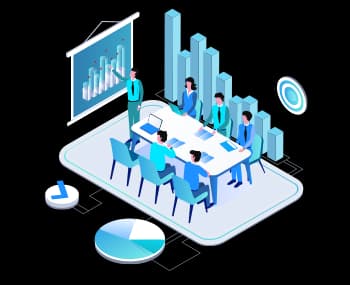
Connecting teams and stakeholders
Business teams, developers, design and management work together with clear communication.
Making progress visible
Tasks, risks and decisions remain clear throughout the project.
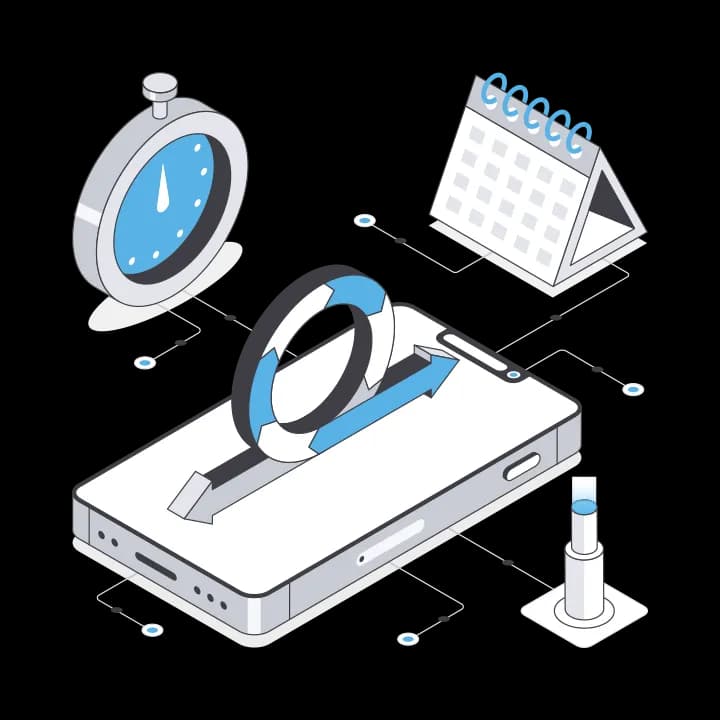
Controlled delivery
Technical, business and timeline requirements are continuously aligned.
Professional IT Project Management becomes essential when requirements, stakeholders, timelines and technical delivery need to be aligned. For software and IT projects, structured project management keeps decisions visible, reduces risks early and helps teams move from strategy to successful delivery.
Professional IT Project Management connects clear planning, technical understanding and continuous steering. We help businesses structure requirements, teams, methodologies, risks and delivery so digital projects can move forward transparently and under control.
Many IT and software projects do not struggle because of development alone. They struggle because requirements remain unclear, decisions are delayed, priorities change and progress is not visible enough. Professional IT Project Management keeps goals, teams, methods, risks and delivery aligned throughout the project.
Costs for professional IT Project Management depend on project complexity, duration, and required resources.
Typical Pricing Ranges:
Additional costs may include ongoing project adjustments, specialized software licenses, and training.
Professional IT Project Management ensures that requirements, stakeholders, methods, risks and delivery are not handled separately, but actively managed together. We combine classical project management methods, agile approaches and technical understanding into a clear process for IT and software projects.
As a specialized agency for project management for IT, we provide tailored, high-quality project management solutions designed specifically for technology-driven initiatives.
Reasons to Choose prokodo:
Whether agile software development, cloud migration, or digital transformation, professional IT project management ensures your projects meet strategic goals efficiently.
Our experts provide comprehensive project oversight from initial concept to successful deployment, ensuring sustainable business success.
Your Benefits with prokodo’s IT Project Management:
Let us help manage your next IT project successfully – contact us for a free consultation!

When project goals, responsibilities, priorities or technical dependencies need to be clarified before implementation can start safely.
We create a reliable foundation before implementation, design or development begins.
Many IT and software projects do not struggle because of development alone. They struggle because requirements remain unclear, decisions are delayed, priorities change and progress is not visible enough. Professional IT Project Management keeps goals, teams, methods, risks and delivery aligned throughout the project.
When project goals, responsibilities, priorities or technical dependencies need to be clarified before implementation can start safely.
When management, business teams, design, development, external providers or internal IT need to work together on one initiative.
When a project needs both clear planning and flexible delivery with Scrum, Kanban or hybrid project management approaches.
When tasks, budget, timeline, blockers and quality requirements need to be monitored and managed continuously.
We create a reliable foundation before implementation, design or development begins.
We translate requirements into realistic project plans, priorities, timelines and responsibilities.
Depending on the project, we use classical project management methods, agile project management methods or hybrid approaches.
We coordinate business teams, management, design, development, external providers and internal IT.
Tasks, blockers, budget, scope changes and risks are continuously monitored and managed.
When scope, priorities and success criteria are not clarified early, misunderstandings, rework and unnecessary delays become more likely.
When management, business teams, design, development and external providers make decisions in parallel, responsibilities and priorities can become unclear.
Pure classical planning can be too rigid, while purely agile delivery can be too vague. Many IT projects need a realistic hybrid approach.
Without clear reporting, task structure and risk management, blockers are often discovered too late and budgets become harder to control.
We clarify target picture, requirements, success criteria, technical dependencies and priorities before implementation or development moves too far.
Decision paths, responsibilities, alignment routines and communication rhythms are set up so all involved teams can stay actionable.
Goals, requirements, responsibilities and next steps become easier for all stakeholders to understand.
Business teams, management, development, design and external partners work together with clearer decision paths.
Risks, blockers and scope changes are identified earlier and can be managed in a more controlled way.
IT and software projects move forward more predictably because planning, delivery and quality stay aligned.
We start with the target picture, key stakeholders, existing requirements, technical dependencies and open questions. This creates a reliable foundation before planning, design or development begins.
Based on the requirements, we create a realistic project plan with scope, milestones, priorities, responsibilities and resources. This turns an initial idea into a manageable IT project.
Not every project needs the same approach. Depending on the initiative, we combine classical project management, agile methods such as Scrum or Kanban and hybrid working models so structure and flexibility fit together.
We create clear communication paths between management, business teams, design, development, external providers and internal IT. This keeps decisions visible and teams actionable.
During delivery, we track tasks, blockers, budget, timeline, scope changes and technical risks. This keeps the project transparent and allows adjustments before problems become expensive.
At the end of the project, we make sure technical delivery, business requirements, quality and documentation fit together. Acceptance, handover and next steps are prepared clearly.
We help you structure requirements, stakeholders, timelines, risks and technical delivery. Ideal when a software, cloud or digital project needs to be planned transparently and delivered under control.
Many IT and software projects do not struggle because of development alone. They struggle because requirements remain unclear, decisions are delayed, priorities change and progress is not visible enough. Professional IT Project Management keeps goals, teams, methods, risks and delivery aligned throughout the project.
When scope, priorities and success criteria are not clarified early, misunderstandings, rework and unnecessary delays become more likely.
When management, business teams, design, development and external providers make decisions in parallel, responsibilities and priorities can become unclear.
Pure classical planning can be too rigid, while purely agile delivery can be too vague. Many IT projects need a realistic hybrid approach.
Without clear reporting, task structure and risk management, blockers are often discovered too late and budgets become harder to control.
We clarify target picture, requirements, success criteria, technical dependencies and priorities before implementation or development moves too far.
Decision paths, responsibilities, alignment routines and communication rhythms are set up so all involved teams can stay actionable.
Goals, requirements, responsibilities and next steps become easier for all stakeholders to understand.
Business teams, management, development, design and external partners work together with clearer decision paths.
Risks, blockers and scope changes are identified earlier and can be managed in a more controlled way.
IT and software projects move forward more predictably because planning, delivery and quality stay aligned.
Professional IT Project Management ensures that requirements, stakeholders, methods, risks and delivery are not handled separately, but actively managed together. We combine classical project management methods, agile approaches and technical understanding into a clear process for IT and software projects.
We start with the target picture, key stakeholders, existing requirements, technical dependencies and open questions. This creates a reliable foundation before planning, design or development begins.
Based on the requirements, we create a realistic project plan with scope, milestones, priorities, responsibilities and resources. This turns an initial idea into a manageable IT project.
Not every project needs the same approach. Depending on the initiative, we combine classical project management, agile methods such as Scrum or Kanban and hybrid working models so structure and flexibility fit together.
We create clear communication paths between management, business teams, design, development, external providers and internal IT. This keeps decisions visible and teams actionable.
During delivery, we track tasks, blockers, budget, timeline, scope changes and technical risks. This keeps the project transparent and allows adjustments before problems become expensive.
At the end of the project, we make sure technical delivery, business requirements, quality and documentation fit together. Acceptance, handover and next steps are prepared clearly.
Decision paths, responsibilities, alignment routines and communication rhythms are set up so all involved teams can stay actionable.
Depending on the initiative, we use Scrum, Kanban, classical planning or hybrid models so structure and flexibility work together.
Tasks, blockers, budget, scope changes, acceptance steps and technical risks are made visible and followed up continuously.
Depending on the initiative, we use Scrum, Kanban, classical planning or hybrid models so structure and flexibility work together.
Tasks, blockers, budget, scope changes, acceptance steps and technical risks are made visible and followed up continuously.